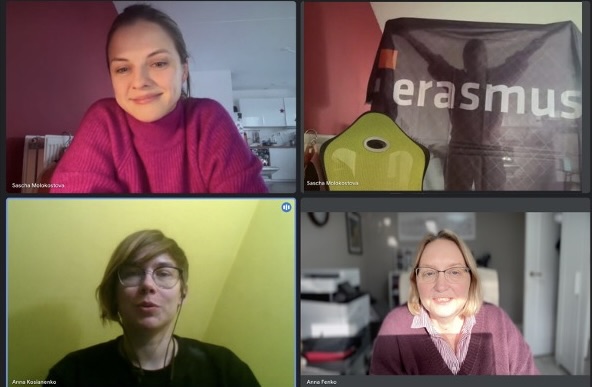
We are pleased to share that Independence Hub Erasmus+ project has successfully organised three expert-led workshops for Ukrainians: two in the Netherlands and one in Poland. These sessions brought together legal and tax professionals to provide clear, practical guidance on the future of Ukrainian displaced persons in the EU.
Across all events, we recorded over 100 registered participants from both countries, demonstrating a strong demand for reliable legal information and expert support.
Across all sessions, the central theme was understanding the implications of the EU Temporary Protection Directive and what lies ahead beyond 2027. Participants received up-to-date, evidence-based insights into:
- Legal pathways after the end of temporary protection
- Rights and obligations under EU and national legislation
- Transition to alternative residence permits (work, study, entrepreneurship)
- Long-term stay, integration, and possible return scenarios
- Tax compliance and its impact on residence status
Each workshop included an extended Q&A session, allowing participants to address their individual situations.
Workshops in the Netherlands

Two online workshops were organised for Ukrainians residing in the Netherlands, featuring legal and tax experts.
Legal session: Future after temporary protection
The legal workshop was delivered by:
- Maksym Khodak – адвокат with international experience in corporate, financial, and international law
- Alina Petukhova – юрист specialising in human rights, EU migration law, and refugee protection
Their session focused on legal scenarios after 2027, including:
- Transition from temporary protection to national residence permits
- Legal pathways such as employment-based permits, study visas, and entrepreneurship routes
- Limitations of temporary protection (e.g. not counting toward long-term residence or citizenship)
- EU-level policy developments and uncertainties
- Practical steps Ukrainians should take already now to secure legal status
They also highlighted that early preparation is essential, including selecting a stable legal status and ensuring continuous lawful residence.


Tax and long-term residence session
The second workshop focused on taxation and its direct impact on long-term residence prospects. It was led by:
- Yulka Yurik – tax advisor (belastingadviseur) with over 7 years of experience supporting clients in the Netherlands, including Ukrainian nationals
Key topics included:
- The relationship between employment, income stability, and residence rights
- Why tax compliance is critical for future legal status
- Risks of informal work and incorrect tax reporting
- The role of Dutch tax authorities (Belastingdienst) and data transparency
- Common mistakes (e.g. undeclared income, incorrect ZZP status) and their consequences
- Social benefits (toeslagen) and risks of repayment obligations
A key takeaway from this session was that financial transparency and tax discipline are essential elements of a “strong residence profile”, especially in the context of post-2027 migration decisions.


Workshop in Poland
We also organised an online workshop for Ukrainians in Poland in cooperation with our partners.
Legal consultation session
The session addressed key migration topics relevant to Ukrainians in Poland:
- Legality of stay
- Residence permits (karta pobytu)
- Long-term status and citizenship pathways
- Temporary protection framework
- Relocation to Poland and legalisation procedures
This session complemented our chatbot initiative developed with partners to support Ukrainians with legalisation questions in Poland.


Strong engagement and next steps
All three workshops were highly interactive. Participants actively engaged with the experts and raised many case-specific legal and tax questions. While a large number of questions were addressed during the sessions, it became clear that the need for personalised guidance remains high.
For this reason, we have agreed to organise additional workshops in the coming months, focusing on specific topics and individual cases.
Stay tuned for upcoming sessions.